




Stablecoins are rapidly becoming a central part of the global financial system. Once a fringe crypto tool, these digital tokens now support payments, settlement, and cross-border fund movement with speed and low cost. Stablecoins are pegged to real-world money, such as the U.S. dollar, meaning their value stays steady while moving on blockchain rails.
Industry experts project that the **stablecoin market could grow to as much as $2 trillion by the end of 2028. This growth comes from increasing use in global payments, remittances, business settlement, and digital commerce. Stablecoins help cut fees and settlement times compared with traditional bank systems, making them attractive for fintech firms and global businesses alike.

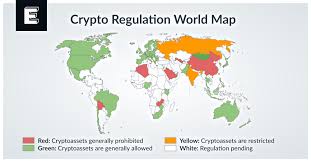
To support this rapid expansion, strong blockchain and financial infrastructure is needed. New technologies and networks are being built to handle high-speed transactions, compliance, and liquidity. Regulators are also moving toward clearer rules to ensure safe adoption and protect users.
As the ecosystem grows, stablecoins are attracting interest from banks, payment companies, and regulators. Their rise points to a future where digital money becomes a reliable foundation for global finance, offering faster, cheaper, and more accessible financial services worldwide.
#DigitalCurrency
#StablecoinEconomy
#BlockchainInfrastructure
#DigitalPayments
#CrossBorderTransactions
#CryptoFinance
#StablecoinGrowth
#USDpeggedTokens
#GlobalFinance
#FintechInnovation